Do you know the effects of vitamin E? | Steroids4U.eu

If you are looking for a way to promote wound healing after a burn or to rejuvenate your skin, perhaps the right way is vitamin E. In this article, you will read basic information about vitamin E, what its effects are and why it is needed in the body. You will also learn what foods to get it from and what can happen when you have a deficiency in your body.

Vitamin E is a fat-soluble substance that can be stored in the liver, adipose tissue, heart, muscles, testes, uterus and adrenal glands. It is one of the tocopherols whose basic structure is tocol. We recognize α, β, γ, δ tocopherols, the effect of which depends on the number of methyl groups. Α tocopherol is the most effective. The biochemical significance of vitamin E is not yet fully understood, but it is generally accepted that tocopherols act as antioxidants.


Function:
Vitamin E plays a very important role as a naturally occurring antioxidant. Together with the antioxidant properties of vitamins A and C, they are very important in our body, mainly because they protect cell structures and organic molecules from damage by peroxidation. Vitamin E also helps in the treatment and prevention of NAFLD. The structure of lipids that contain polyunsaturated higher carboxylic acids creates suitable conditions for lipoperoxidation. Lipoperoxidation leads to the breakdown of lipid carboxylic acids and thus to damage the membrane structures of cells and tissues. Vitamin E reacts very quickly with free radicals, thus acting as a free radical scavenger, thus protecting polyunsaturated higher carboxylic acids. Vitamin E and all other antioxidants ultimately reduce mortality.


It dilates blood vessels, prevents blood from clotting

Reduces fatigue

Supports burn healing

Rejuvenates the skin

Increases sexual and physical performance

Relieves menstrual problems


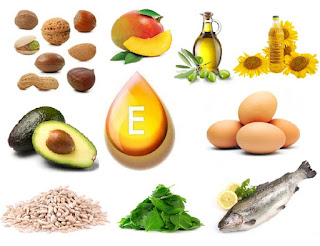
Sources:
Vegetable oils

Cereal sprouts

MilkYolk

Liver

Guts

Meat

Almonds

Hazelnuts


Consequences of the deficiency:

Shortening the half-life of erythrocytesDecreased activity of the immune systemMuscle disorders and lossDamage to cell membranesAnemiaInfertility


Daily dose:
The recommended daily dose for children is 5 – 12 mg and for adults 12 – 16 mg. The amount consumed depends on the content of polyunsaturated fatty acids in the diet, which means that more unsaturated fatty acids increase the need for vitamin E.
Are you surprised what effects vitamin E can have on your body?


Steroids4U.eu | Online Steroid Shop – Buy Steroids – Cheap Steroids for sale

More on our blog: https://steroids4u-eu-europe.blogspot.com/2022/02/do-you-know-effects-of-vitamin-e.html

Related Posts

Nutrition for hypertrophy: calorie surplus, protein, and micronutrient adequacy

An evidence-grade synthesis of the nutritional inputs that materially affect resistance-training-induced muscle growth, with explicit attention to the measurement-quality requirement that makes the recommendations executable. Background Three classes of nutritional inputs have trial-grade evidence as material moderators of resistance-training-induced muscle hypertrophy: total energy availability (meaningful surplus or at least maintenance),

Read More »

Should You Do 3-5 Reps for Size?

A new study reignited the debate about the lowest repetition range to maximize muscle hypertrophy. Analyzed by the House of Hypertrophy (HoH), the research reveals evidence that challenges conventional advice. One to five reps is considered the strength zone, where hypertrophy is observed. Due to mechanical tension, volume, fatigue management, and joint health,

Read More »

 Volume vs Intensity: What Actually Builds More Muscle?

It’s a new year, and you want to change your workout program, but you’re unsure whether to focus on volume or intensity. You’ve done your research, yet the more articles you read, the more confused you become. Even TikTok and other social media make it worse, with conflicting advice everywhere.

Read More »