Proper nutrition against heart disease | Steroids4U.eu
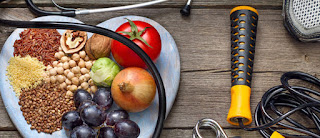
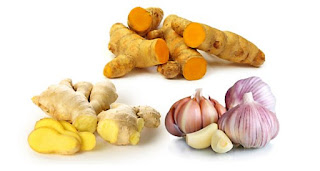
Last time we dealt with the most important vitamins and minerals for heart health. In today’s article, we’ll look at some other things that can help you reverse heart disease or prevent it, including the best herbs for the heart. Cayenne pepper has a wealth of cardiovascular benefits, including strengthening, stimulating and strengthening the heart, balancing circulation, and calming the pounding. Hawthorn, a favorite of the famous herbalist John Christopher, improves oxygen and blood supplies and is rich in flavonoids that protect small capillaries from free radical damage. Hawthorn is effectively used in angina, arrhythmias, arteriosclerosis, blood clots and hypertension. The best results are usually noticeable after a few months, hawthorn is safe even with long-term use. Garlic prevents the formation of bad cholesterol (LDL) and increases the good one (HDL). Garlic also lowers blood pressure, prevents platelet aggregation and improves circulation. Pycnogenol has been found to be more effective than buffered aspirin in reducing arterial platelet production, a major factor in heart disease. Cocoa is a natural source of theobromine, which has long been considered a heart tonic and a mild stimulant. Cocoa also contains epicatechin, a flavonol that improves blood vessel function. Feline claw or vilcacora contains a number of valuable phytochemicals that inhibit the processes involved in the formation of blood clots. It increases blood circulation and prevents inappropriate clotting, thus helping to prevent stroke and reducing the risk of heart attack. In many studies, ginkgo has been shown to cause dilation and increase blood flow in arteries, capillaries, and veins, as well as prevent platelet aggregation, reduce blood clotting, and help protect our blood vessel walls from free radical damage. Ginger lowers choesterol levels and blood pressure and also prevents the formation of blood clots. Like garlic, ginger interferes with a long sequence of events needed to form blood clots, which helps prevent clots that can settle in narrowed coronary arteries and cause a heart attack.
Turmeric lowers blood cholesterol by stimulating bile production. It also prevents the formation of dangerous blood clots that can lead to a heart attack. Alfalfa leaves and shoots help lower blood cholesterol levels and plaque build up in the walls of arteries. Alpha-lipoic acid works with other antioxidants in the body to increase their effectiveness against oxidative stress and help keep the arteries clean by preventing the incorporation of LDL choesterol into the walls of the arteries. Bromelain is an enzyme found in pineapple. Bromelain can dilute blood and help cleanse artery walls of deposits. One study showed that bromelain relieves pain from sore throat, which is associated with heart disease. Essential fatty acids help prevent unnecessary blood clotting, reduce inflammation and regulate blood pressure. They are found in blackcurrant seed oil, borage oil, evening primrose oil, fish oil and linseed oil. Pectin is a fiber found in grapefruits, apples and other fruits and vegetables that help lower LDL cholesterol and remove fatty plaque deposits from the arteries. Other herbs and supplements that are beneficial for the heart are iodine, wormwood, blueberry, arjuna, fo-ti, citrine, artichoke leaf extract, guggul, cordyceps, L-carnitine, lecithin, taurine, activated carbon, dragon, dandelion, rosemary , chamomile, valerian root, bug, kelp, cola, myrrh, passion fruit, psyllium,, thorny deciduous tree, saffron and tarragon. Warning: do not use a bug or dragon during pregnancy. Do not use ginseng if you have high blood pressure. Finally, many important foods and supplements can help you prevent and treat heart disease. A healthy lifestyle, including regular physical activity, is also essential. Steroids4U.eu | Online Steroid Shop – Buy Steroids – Cheap Steroids for sale More on our blog: https://steroids4u-eu-europe.blogspot.com/2021/04/proper-nutrition-against-heart-disease.html
Do you love yoga, running in the park, walking the dog, strengthening, football or other team sports? The last thing you want to deal with is joint pain. Today, it is already known that there is a high connection between food, nutritional supplements and healthy joints. We know that some
An evidence-grade synthesis of the nutritional inputs that materially affect resistance-training-induced muscle growth, with explicit attention to the measurement-quality requirement that makes the recommendations executable. Background Three classes of nutritional inputs have trial-grade evidence as material moderators of resistance-training-induced muscle hypertrophy: total energy availability (meaningful surplus or at least maintenance),
A new study reignited the debate about the lowest repetition range to maximize muscle hypertrophy. Analyzed by the House of Hypertrophy (HoH), the research reveals evidence that challenges conventional advice. One to five reps is considered the strength zone, where hypertrophy is observed. Due to mechanical tension, volume, fatigue management, and joint health,
It’s a new year, and you want to change your workout program, but you’re unsure whether to focus on volume or intensity. You’ve done your research, yet the more articles you read, the more confused you become. Even TikTok and other social media make it worse, with conflicting advice everywhere.