
Description
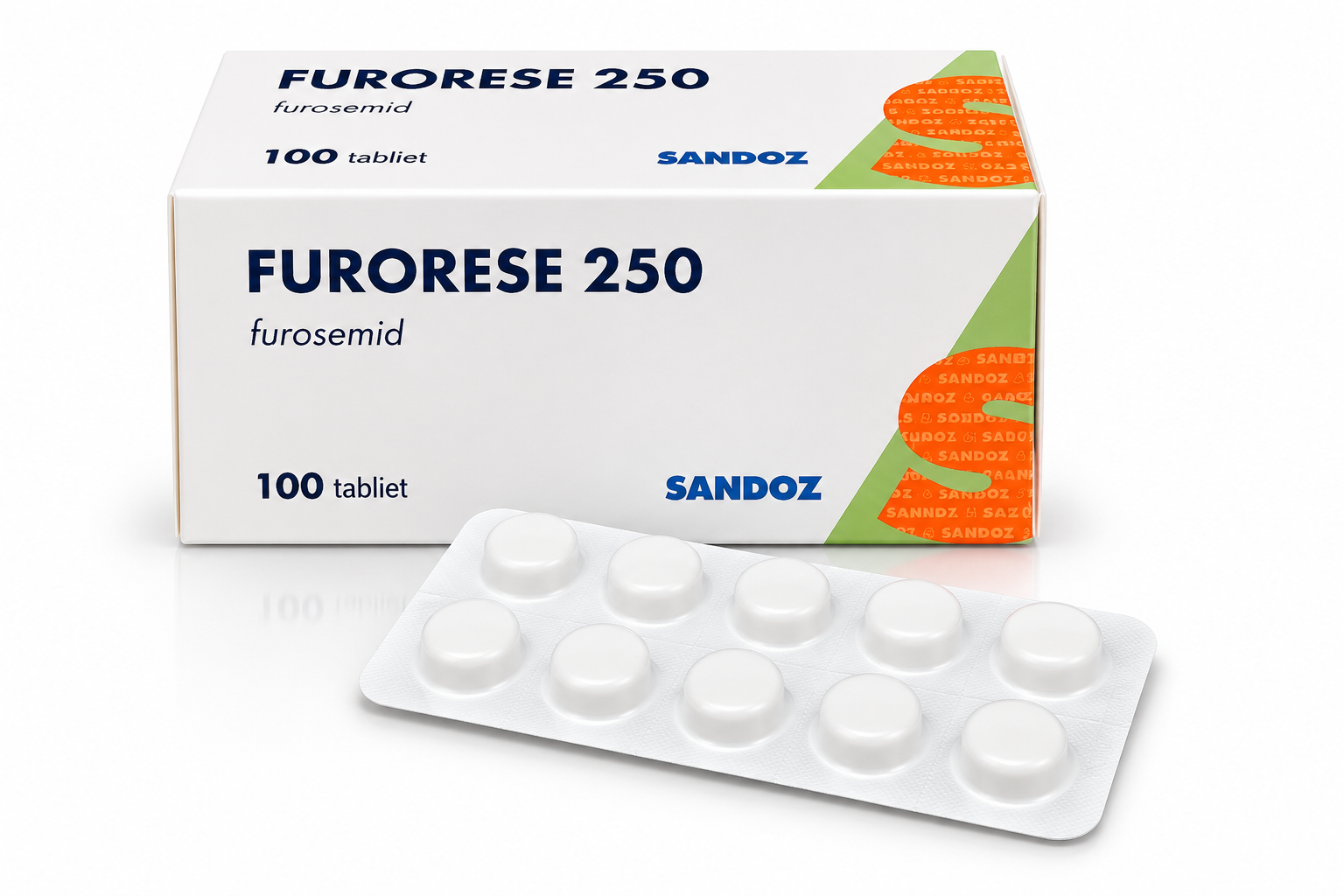
Furorese 250 mg – 100 Tablets | Sandoz
Product Overview
Furorese 250 mg is a high-strength diuretic medication manufactured by Sandoz. Each tablet contains 250 mg of furosemide, a potent loop diuretic used in the medical management of fluid retention and certain conditions involving impaired fluid balance.
Furosemide works by increasing the excretion of sodium, chloride, and water through the kidneys. This action helps reduce excessive fluid accumulation in the body and may improve symptoms associated with edema.
Due to its high strength, Furorese 250 mg is intended for carefully selected patients under specialist medical supervision.
Active Ingredient and Composition
- Product Name: Furorese 250 mg
- Active Ingredient: Furosemide
- Strength: 250 mg per tablet
- Manufacturer: Sandoz
- Package Size: 100 tablets
- Dosage Form: Oral tablets
- Drug Class: Loop diuretic
- Administration: Oral
- Prescription Status: Prescription-only medication
How Furorese 250 mg Works
Furosemide acts primarily on the thick ascending limb of the loop of Henle in the kidneys.
It inhibits the sodium-potassium-chloride cotransporter (NKCC2), reducing the reabsorption of these electrolytes and increasing their elimination through urine.
This mechanism produces several important physiological effects:
- Increased urinary excretion of water and sodium.
- Reduced accumulation of excess extracellular fluid.
- Increased excretion of potassium, calcium, and magnesium.
- Reduction of edema associated with fluid overload.
- Potential reduction in blood pressure through decreased circulating fluid volume.
The effectiveness of furosemide depends significantly on kidney function and the patient’s individual response.
Medical Uses
Furosemide may be prescribed for several medical conditions, including:
1. Edema Associated With Kidney Disease
Furosemide may help manage fluid retention in selected patients with impaired kidney function, provided sufficient residual kidney function remains for the medication to produce a diuretic response.
2. Congestive Heart Failure
It may reduce fluid accumulation associated with heart failure, including peripheral edema and pulmonary congestion.
3. Liver-Related Fluid Retention
Furosemide may be used as part of a carefully monitored treatment plan for fluid retention associated with certain liver disorders.
4. Selected Cases of Severe Fluid Overload
High-strength furosemide formulations may be considered by specialists when lower doses are insufficient, depending on the clinical indication and individual patient response.
High-Strength Formulation
Furorese 250 mg contains a substantially higher amount of furosemide than commonly prescribed lower-strength formulations.
This high-strength presentation is not intended for routine self-treatment, general weight management, bodybuilding, or cosmetic reduction of water retention.
Any treatment involving this strength requires individualized medical assessment and monitoring.
Administration and Dosage
Furorese 250 mg is administered orally according to a physician’s instructions.
The appropriate dosage depends on several factors, including kidney function, fluid balance, electrolyte concentrations, blood pressure, other medications, and treatment response.
Patients should not independently increase the dose or combine furosemide with other diuretics.
Possible Side Effects
Like other potent diuretics, Furorese may cause adverse effects, particularly when fluid or electrolyte losses become excessive.
Potential side effects include:
- Dehydration and excessive fluid loss.
- Low blood pressure and dizziness.
- Low potassium levels (hypokalemia).
- Low sodium levels (hyponatremia).
- Magnesium depletion.
- Muscle cramps and weakness.
- Increased uric acid concentrations.
- Changes in kidney function.
- Hearing disturbances, including tinnitus or ototoxicity, particularly with high systemic exposure.
Severe electrolyte disturbances and dehydration may require urgent medical attention.
Precautions and Warnings
Furorese 250 mg requires particular caution in patients with significant kidney impairment, liver disease, low blood pressure, or existing electrolyte abnormalities.
The medication may interact with other drugs, including certain antihypertensives, lithium, digoxin, nonsteroidal anti-inflammatory drugs (NSAIDs), and some antibiotics.
Regular monitoring may include:
- Blood pressure and hydration status.
- Serum sodium and potassium.
- Magnesium and other electrolytes.
- Kidney function.
- Body weight and fluid balance.
Furosemide must not be used in patients with anuria that does not respond to furosemide. Other contraindications depend on the approved prescribing information.
Storage Information
Store the tablets according to the instructions on the original packaging and approved patient leaflet. Protect them from unsuitable environmental conditions and keep them out of the reach of children.
Do not use the medication after its stated expiration date.
Product Specifications
| Specification | Details |
|---|---|
| Brand | Furorese |
| Manufacturer | Sandoz |
| Active Substance | Furosemide |
| Strength | 250 mg |
| Quantity | 100 Tablets |
| Pharmaceutical Form | Oral Tablets |
| Therapeutic Category | Loop Diuretic |
| Primary Function | Management of Fluid Retention |
| Prescription Required | Yes |
Important Medical Disclaimer
Furorese 250 mg is a prescription medication intended for use under qualified medical supervision. The information provided is for educational and product-identification purposes only and does not replace professional medical advice, diagnosis, or treatment.
High-dose furosemide can cause serious dehydration, electrolyte disturbances, cardiovascular complications, and kidney-related adverse effects when used incorrectly.
Always follow the approved prescribing information and instructions provided by a qualified healthcare professional.



Reviews
There are no reviews yet.