
Description
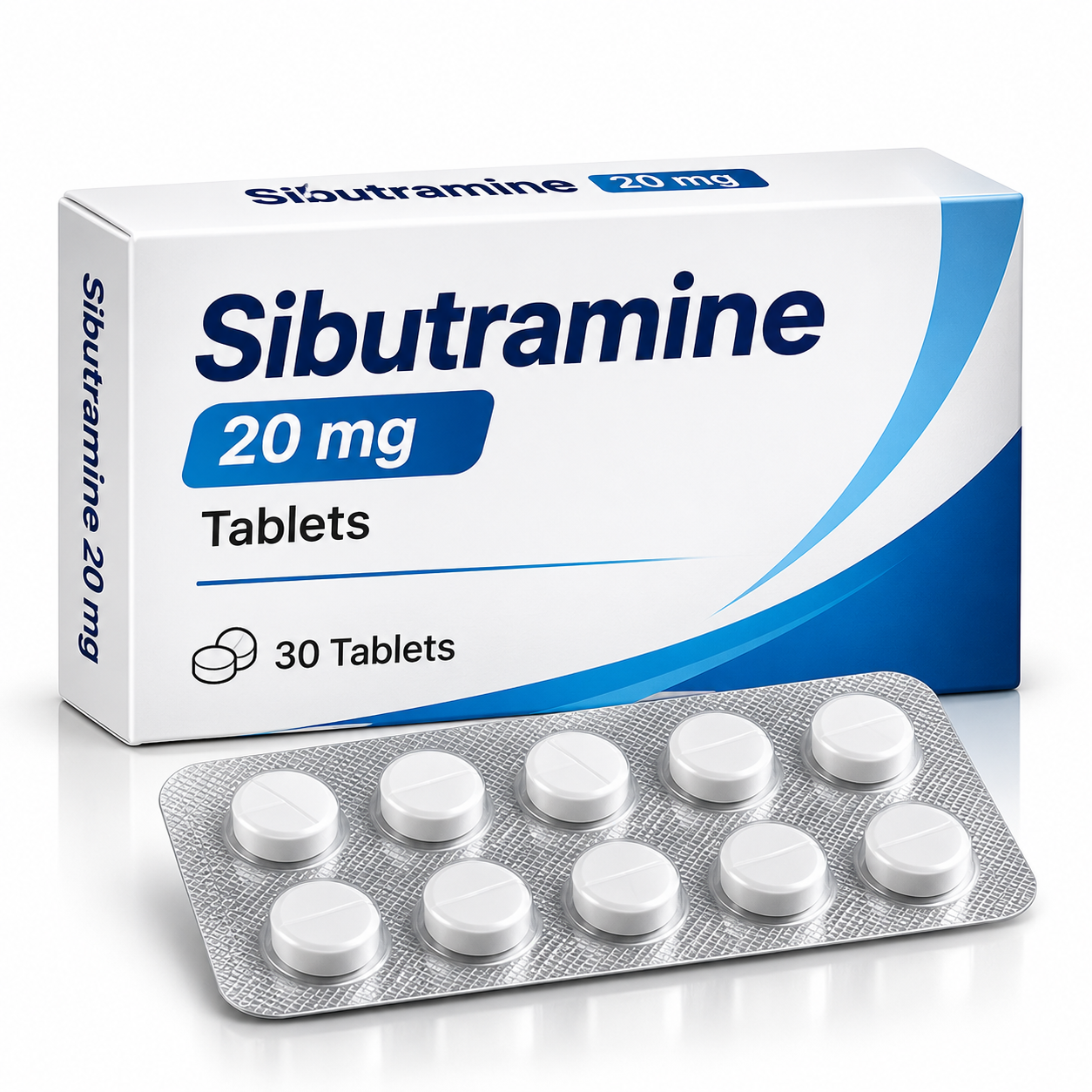
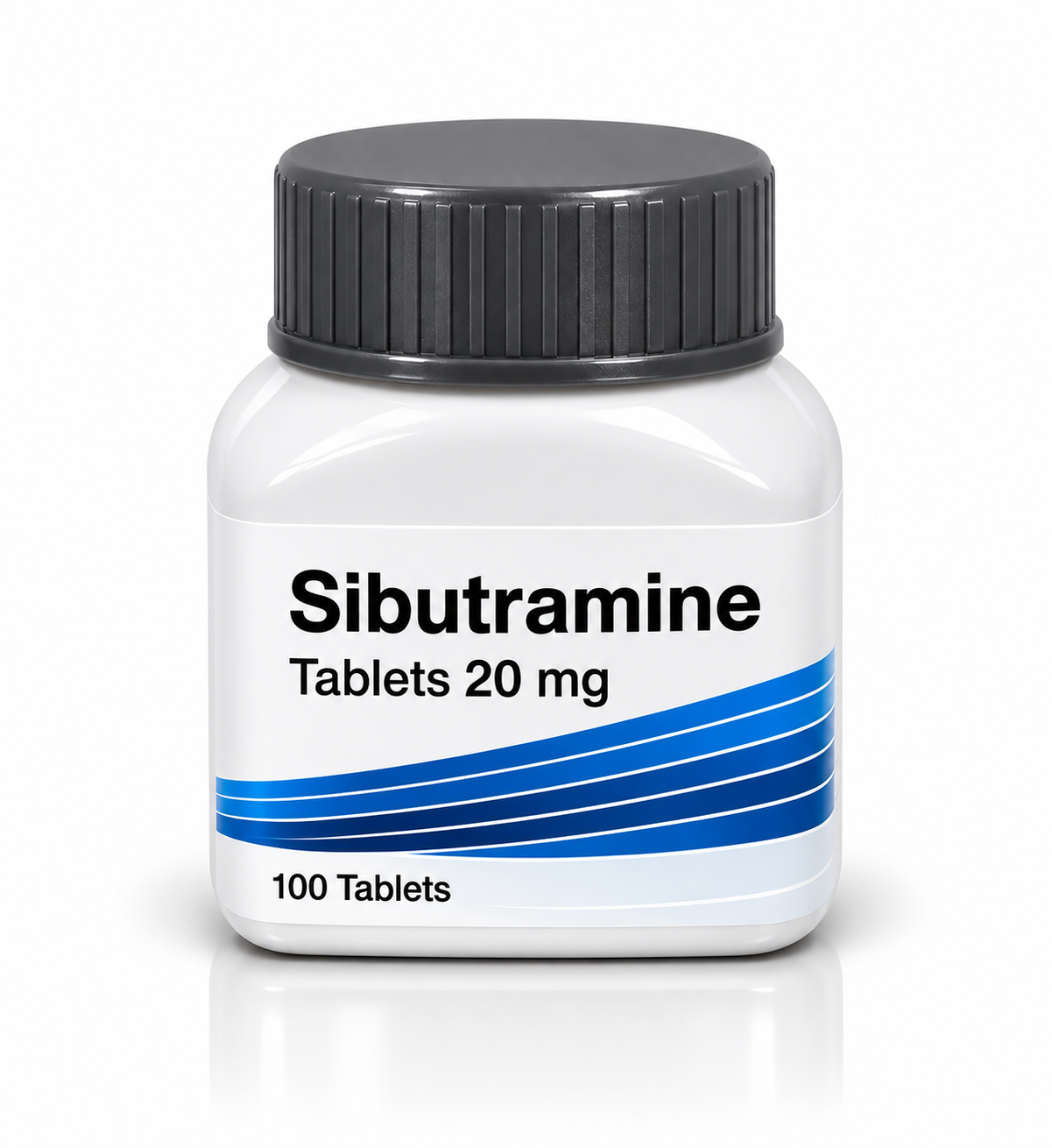
Sibutramine 20 mg – Comprehensive Product Information
What Is Sibutramine?
Sibutramine is a synthetic, centrally acting pharmaceutical compound that was originally developed for the medical management of obesity and weight-related metabolic conditions.
It belongs to a class of substances known as serotonin-norepinephrine reuptake inhibitors (SNRIs). Sibutramine primarily influences neurotransmitter activity within the central nervous system, particularly the pathways involved in appetite regulation, satiety, and food intake.
The substance was previously marketed internationally under several pharmaceutical brand names, including Meridia and Reductil.
Although sibutramine demonstrated weight-reduction effects in clinical studies, its safety profile led regulatory authorities to suspend or withdraw its marketing authorisations in numerous countries.
Mechanism of Action
Sibutramine works by inhibiting the reuptake of two important neurotransmitters:
- Serotonin: Involved in appetite regulation, mood, and the perception of satiety.
- Norepinephrine: Associated with alertness, sympathetic nervous system activity, and energy regulation.
By inhibiting the reuptake of these neurotransmitters, sibutramine increases their availability within certain neural pathways.
This mechanism can enhance the sensation of fullness following meals and reduce the desire to consume additional food.
Unlike medications that primarily affect nutrient absorption within the digestive system, sibutramine acts predominantly through the central nervous system.
Historical Clinical Applications
Sibutramine was historically prescribed as part of medically supervised weight-management programmes for certain patients with obesity.
Its original therapeutic applications included weight management in individuals with a body mass index (BMI) of 30 kg/m² or higher, or a BMI of 27 kg/m² or higher when accompanied by certain obesity-related risk factors.
Treatment was intended to complement nutritional modifications, physical activity, and broader lifestyle interventions.
These historical indications should not be interpreted as current recommendations for its use.
Effects Investigated in Clinical Research
Clinical investigations evaluated several potential effects of sibutramine, including:
Appetite regulation: Changes in central neurotransmitter signalling were associated with reduced hunger and earlier sensations of fullness.
Food intake: Appetite-related effects could contribute to reduced overall energy consumption.
Body-weight reduction: Clinical studies demonstrated weight-loss effects in some patients receiving sibutramine as part of structured weight-management programmes.
Metabolic parameters: Researchers also examined changes in selected metabolic and cardiovascular measurements during treatment.
However, improvements in body weight did not eliminate the substance’s cardiovascular risks.
Safety Profile and Potential Adverse Effects
Sibutramine has been associated with a range of adverse reactions.
Reported effects include:
- Increased heart rate and blood pressure
- Palpitations
- Dry mouth
- Constipation
- Insomnia and sleep disturbances
- Headache
- Dizziness
- Anxiety or nervousness
- Increased sweating
More serious concerns involve cardiovascular complications, particularly myocardial infarction and stroke.
Sibutramine may also interact with medications that influence serotonin activity, potentially increasing the risk of serotonin syndrome.
Individuals with cardiovascular disease, uncontrolled hypertension, certain cardiac rhythm disorders, or a history of stroke face particular safety concerns.
Cardiovascular Research: The SCOUT Study
One of the most important investigations into sibutramine safety was the Sibutramine Cardiovascular Outcomes Trial (SCOUT).
This large clinical study evaluated cardiovascular outcomes among overweight and obese individuals with elevated cardiovascular risk.
The research identified an increased incidence of serious cardiovascular events among patients receiving sibutramine compared with placebo.
These findings substantially changed the international regulatory assessment of the substance.
Regulatory Status
In January 2010, the European Medicines Agency recommended suspending marketing authorisations for medicines containing sibutramine throughout the European Union.
The European Commission subsequently issued its decision in August 2010.
The decision followed an assessment concluding that the potential benefits of sibutramine did not outweigh its cardiovascular risks.
Sibutramine was also withdrawn from the United States market in 2010.
Consequently, sibutramine should not be presented as an approved or routinely recommended treatment for obesity in the European Union.
Substance Information
| Property | Information |
|---|---|
| Active compound | Sibutramine |
| Pharmacological category | Centrally acting appetite suppressant |
| Primary mechanism | Serotonin and norepinephrine reuptake inhibition |
| Historical application | Medical weight management |
| Label strength | 20 mg |
| Regulatory status in the EU | Marketing authorisations suspended |
| Principal safety concern | Increased cardiovascular risk |
The stated 20 mg strength identifies the labelled amount of active substance and does not constitute a recommended dosage. Product composition, tablet count, purity, and authenticity require independent verification.
Important Medical and Regulatory Disclaimer
Sibutramine is associated with potentially serious cardiovascular adverse effects, including an increased risk of heart attack and stroke.
Its marketing authorisations have been suspended in the European Union because regulatory authorities determined that its risks outweigh its benefits.
This information is provided for educational and scientific reference purposes only. It is not medical advice, a treatment recommendation, or an instruction to use sibutramine.
Individuals considering weight-management treatment should consult an appropriately qualified healthcare professional regarding currently authorised alternatives.

Reviews
There are no reviews yet.